
Medical Office Design
The Complete ASC Construction Timeline
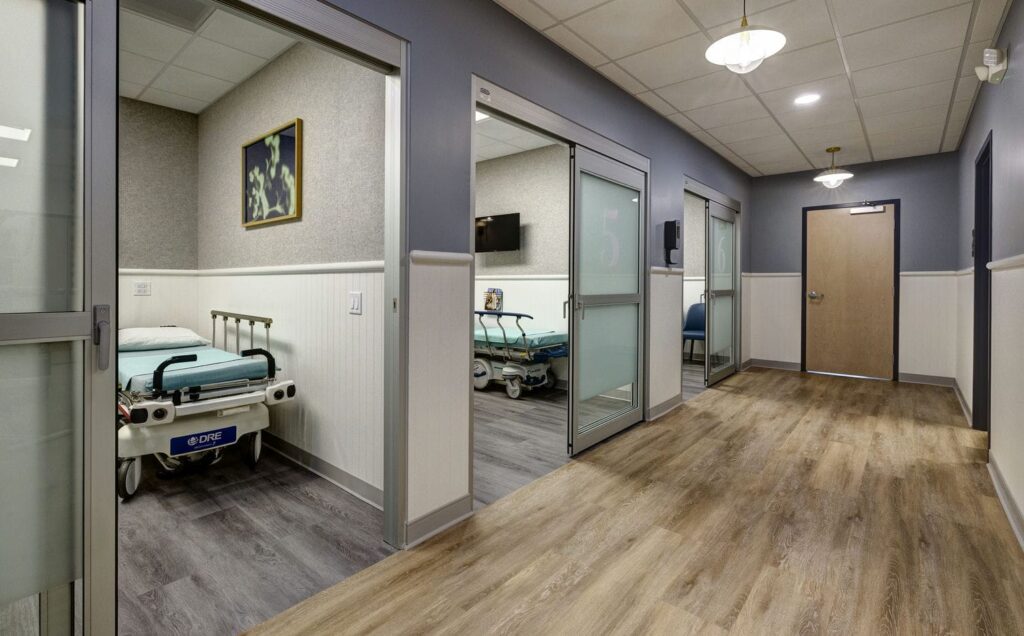
Building an ambulatory surgery center (ASC) is one of the most significant investments a physician group or healthcare organization can make. A thoughtfully designed facility can improve patient care, increase operational efficiency, and position your practice for long-term growth. However, an ASC development timeline for construction requires several phases to be done right. A successful…
Read MoreIs an Ambulatory Surgery Center Right for Your Practice?

Many physicians today are exploring ways to provide high-quality surgical care while improving operational efficiency and controlling costs. Ambulatory Surgery Centers (ASCs) continue to make sense for growing practices and providing efficient healthcare options to your patients. There are many ambulatory surgery center benefits your practice should consider. An ASC is a modern outpatient facility…
Read MoreWhy Operational Planning Should Drive ASC Design and Construction

In the development of an ambulatory surgery center (ASC), it’s easy to assume that success hinges on location, physician partnerships, or construction execution. While those factors certainly matter, true success can come down to how well the center’s operations are planned before design and construction begin. Too often, ASC projects are approached like traditional building…
Read MoreWhy the Initial ASC Planning Will Define Your Project

There’s a moment early in the planning for Ambulatory Surgery Center (ASC) projects when everything still feels flexible. The floor plan can change. The staffing model is still theoretical. Vendor relationships haven’t been locked in. On the surface, it can feel like the “easy” phase, with no pressure. But this can be the most critical…
Read MoreBuilding a Healthcare Practice Starts Before Construction

Learn what it really takes to build a healthcare practice, from early planning and budgeting to timelines, due diligence, and design-build strategy.
Read MoreHow ASC Layout Facilitates Faster Patient Recovery
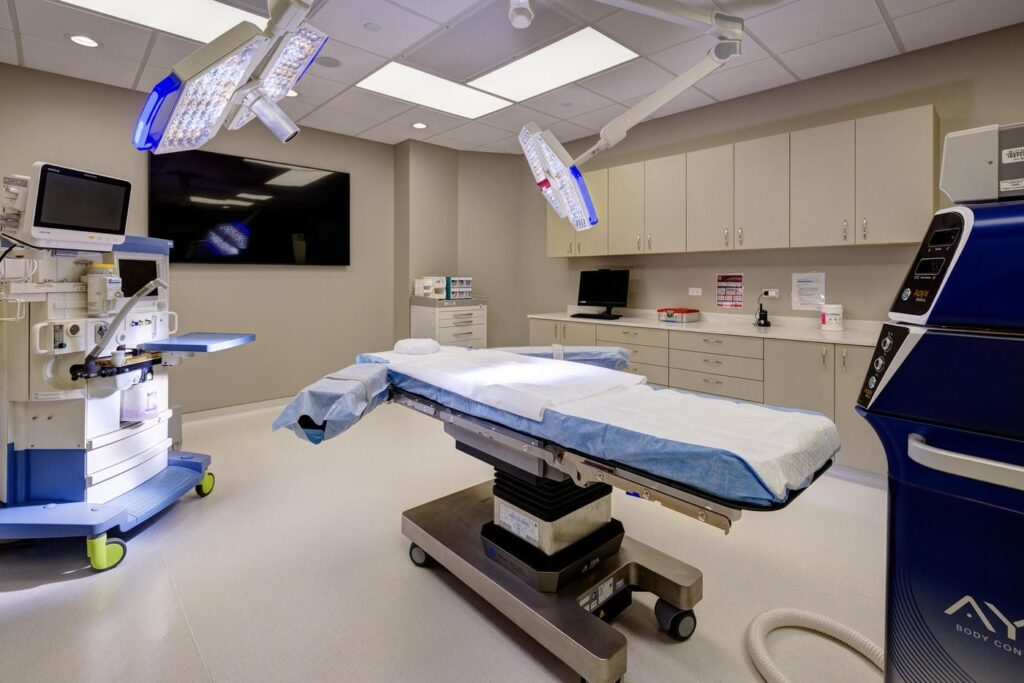
Ambulatory surgery centers (ASCs) are built around efficiency, convenience, and high-quality outpatient care. The physical layout of an ASC is highly influential in shaping patient recovery speed, comfort, and discharge readiness. An effective ASC layout: As outpatient procedures continue to grow in complexity and volume, recovery areas become even more critical to patient recovery and…
Read MoreHow ASC Design Influences Physician Recruitment

For ambulatory surgery centers (ASCs), facility design plays a powerful role in shaping physician recruitment. A thoughtfully designed ASC communicates professionalism, reduces friction in daily workflows, and helps physicians perform at their best. Conversely, outdated or poorly planned environments can discourage high-performing surgeons from committing to a facility. Below are some key ways design directly…
Read MoreHow Smart ASC Design Can Significantly Reduce Staffing Costs

Labor is the single largest ongoing expense for most businesses, and ambulatory surgery centers are no exception. As wages rise and staffing shortages persist, ASC owners are under increasing pressure to do more with leaner teams, without compromising patient safety or care. What many owners underestimate is how much staffing costs are shaped by the…
Read MoreDesigning for Multi-Specialty ASCs Without Compromising Efficiency

As ambulatory surgery centers continue to grow, many owners are expanding beyond a single specialty. Multi-specialty ASCs offer diversification, stronger utilization, and long-term financial stability. The challenge becomes to be able to build efficient multi-specialty ASCs. Multi-specialty centers are designed too often as a series of compromises. Spaces intended to be right-sized are oversized “just…
Read MoreWhat Surgeons Should Look for in a Modern Operating Room

When surgeons decide to build or expand an ambulatory surgery center, the operating room (OR) naturally becomes the heart of the project. But “modern” OR design goes beyond the basics to incorporate clinical standards, workflow, safety, technology integration, and long-term adaptability. Surgeons who understand these elements can make smarter decisions in building a new ASC.…
Read More