
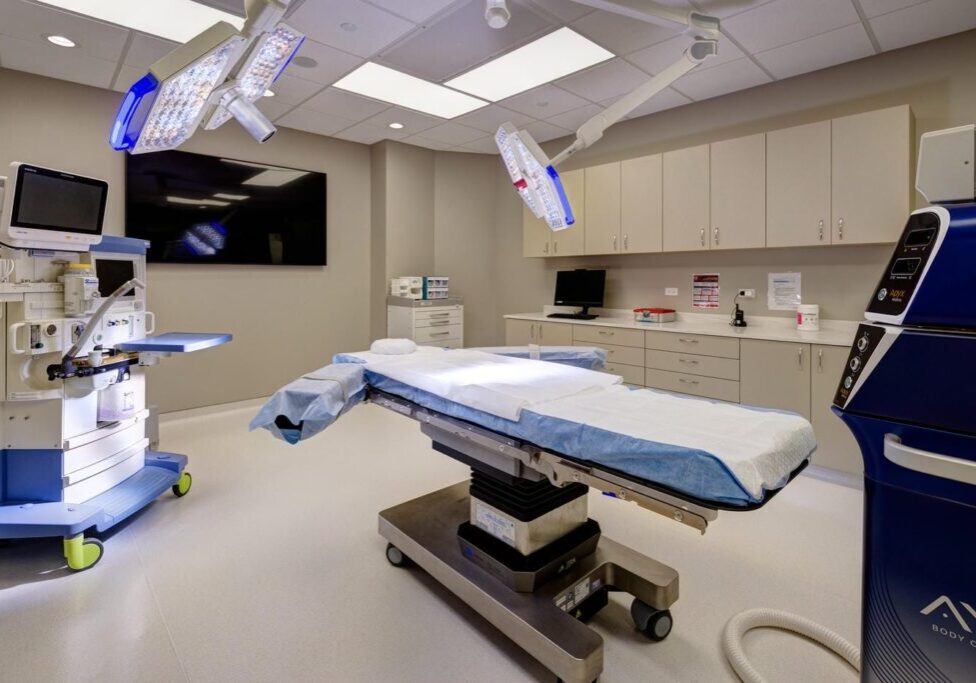
Ambulatory surgery centers (ASCs) are built around efficiency, convenience, and high-quality outpatient care. The physical layout of an ASC is highly influential in shaping patient recovery speed, comfort, and discharge readiness.
An effective ASC layout:
- Reduces patient stress
- Improves staff monitoring capabilities
- Minimizes unnecessary movements
- Supports family involvement
As outpatient procedures continue to grow in complexity and volume, recovery areas become even more critical to patient recovery and clinical workflow. That’s why experienced design firms seek doctor input from the planning stages, and plan with patient recovery in mind.
Recovery Begins with the Environment
Patients emerging from anesthesia are often vulnerable to confusion, discomfort, anxiety, and sensory overload. A recovery environment that feels chaotic, noisy, or overly clinical can slow orientation and increase stress levels, which may impact pain perception and overall recovery time.
Well-designed ASC layouts prioritize calm, healing-centered environments through features such as acoustic separation, access to natural light, and privacy between recovery bays. The goal is to provide a feeling of safety and comfort for the patient that allows them to stabilize quickly, tolerate post-operative instructions, and progress toward discharge without delays.
Even subtle environmental factors such as ceiling height, lighting warmth, and material selection can influence how patients perceive their recovery experience. ASCs have an advantage here over their hospital counterparts.
Optimized Staff Visibility and Clinical Responsiveness
Efficient recovery depends on consistent observation and rapid response from clinical teams. Layouts that provide clear sightlines across the post-anesthesia care unit (PACU) allow nurses to monitor multiple patients without excessive walking or workflow interruptions.
Strategically positioned nursing stations and decentralized charting areas reduce staff travel distances while maintaining strong patient visibility. This design approach improves the ability to detect complications early, respond to discomfort promptly, and manage recovery milestones more effectively.
Minimizing Patient Movement After Surgery
Transporting patients between care zones introduces physical strain, disorientation, and potential delays. ASC layouts that position operating rooms, PACU, and discharge areas in close proximity help minimize unnecessary transfers and streamline the recovery journey.
Shorter travel distances can lead to:
- Reduced discomfort during movement
- Faster transitions from procedure to monitoring
- Improved patient orientation after anesthesia
- Lower risk of post-operative complications related to transfer
By designing with proximity in mind, ASCs can support smoother transitions that directly benefit patient outcomes.
Family Integration and Emotional Reassurance
One of the advantages ASCs have over traditional hospital settings is the ability to involve family members more directly in the recovery process. Layouts that provide nearby consultation rooms, waiting areas with visibility into recovery progress, and private spaces for reunification can offer emotional reassurance that supports healing.
Patients who see or connect with loved ones shortly after surgery often experience reduced anxiety and greater confidence during discharge. This emotional stability can lead to smoother transitions home and improved adherence to post-operative care recommendations. Designing recovery areas with family interaction in mind strengthens both patient satisfaction and clinical effectiveness.
Infection Control and Healing-Focused Zoning
Recovery spaces must strike a balance between comfort and rigorous clinical safety. Effective ASC layouts incorporate zoning strategies that separate clean and soiled workflows, manage airflow pressures appropriately, and prevent unnecessary cross-traffic through recovery areas.
These measures help reduce infection risk and create an environment where patients can recover without avoidable complications. Dedicated staff corridors, clearly defined supply zones, and easily accessible hand hygiene stations all contribute to a safer and more controlled recovery environment.
Sensory Comfort and Physiological Stability
Lighting, temperature, and noise levels can significantly influence how quickly patients regain alertness and comfort following anesthesia. Recovery layouts that allow adjustable lighting, consistent climate control, and reduced ambient noise create conditions that promote physiological stability.
Exposure to natural light can help regulate circadian rhythms and improve patient orientation. Meanwhile, quieter environments can reduce agitation and support better communication between patients and care teams.
Designing for sensory comfort ensures that recovery is clinically effective and emotionally supportive.
Recovery as a Strategic Design Priority
Historically, ASC design placed the greatest emphasis on operating room efficiency and procedural throughput. While these factors remain essential, modern outpatient facilities are increasingly viewing recovery performance as a key indicator of success.
Ultimately, layout decisions that prioritize recovery contribute directly to operational performance and clinical outcomes.
Designing for Better Outcomes
As the demand for outpatient surgery continues to grow, ASC leaders have an opportunity to rethink recovery spaces as active contributors to healing rather than passive waiting areas. Smart ASC design can lead to recovery zones that truly support patient well-being.
For healthcare providers planning a new ASC or renovating an existing facility, investing in recovery-focused design is an investment in both patient outcomes and organizational success. When layout, workflow, and experience are aligned, faster and safer recovery becomes a natural result of the environment itself.
Go With an Architectural Design Firm You Can Trust W
ASCs cannot go wrong prioritizing the recovery of their patients. An experienced architecture design firm that specializes in ASCs can help you to create a facility well-suited for your patients. Contact Apex Design Build today to find out more about how we can help with your next project.